
The Science Behind Choosing Accessories That People Actually Wear
159 Views
That drawer full of unworn accessories tells a story. So does the handful of pieces worn every single day. The difference between abandoned purchases and everyday favorites isn’t about price or brand. Something deeper drives these choices.
The Comfort Factor Changes Everything
Comfort wins. Every time. A beautiful necklace that pulls hair stays home. Earrings that feel heavy after an hour never leave the jewelry box again. The brain files away these experiences. Next time, it steers toward the comfortable choice before conscious thought kicks in. Materials cause problems nobody talks about. Nickel allergies turn skin green. Cheap metals leave marks. Rough edges catch on clothing. One bad experience creates lasting avoidance. Meanwhile, that soft leather bracelet? It gets grabbed daily without thinking.
Weather changes the game, too. Metal watches feel like ice in January. Heavy rings make fingers swell in August heat. Bodies remember these sensations. Seasonal patterns emerge naturally. Winter brings out the fabric accessories. Summer sees lighter metals and breathable materials dominating choices.
Read More: Why Smiles Are Becoming the Centerpiece of Modern Fashion Statements
Social Psychology Drives Selection Patterns
Office parking lots reveal accessory psychology at work. Conservative companies see pearl studs and simple watches. Tech startups showcase quirky pins and colorful frames. Nobody sends memos about this. People just know. Life stages reshape accessory habits fast. New mothers ditch long necklaces babies grab. Construction workers leave rings at home for safety. Runners skip anything that bounces or shifts. These aren’t style choices. They’re survival adaptations.
Friend groups influence more than anyone admits. One person starts wearing bold scarves. Soon three others try them. Someone gets compliments on vintage broaches. Suddenly everyone’s checking antique shops. Social proof beats personal preference surprisingly often.
The Versatility Equation
Math explains why certain pieces dominate daily wear. One accessory matching five outfits beats five accessories matching one outfit each. Brains love shortcuts. Grabbing the same reliable piece saves precious morning minutes. Black leather works with everything. So does simple silver. In the meantime, that turquoise statement necklace? Gorgeous but demanding. It needs the right outfit, right mood, right occasion. Too much work for Tuesday morning.
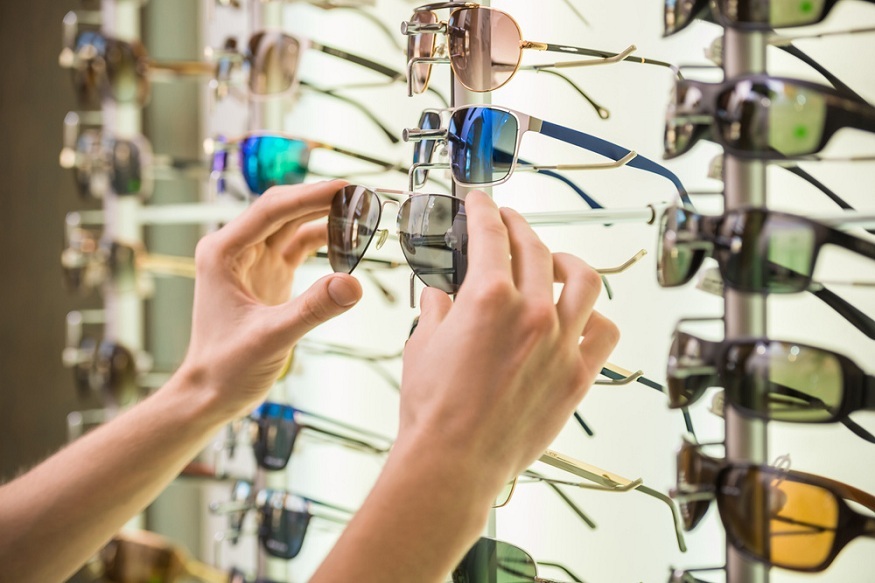
Function plus style equals frequent wear. Retailers know this formula drives customer satisfaction. OE Wholesale Sunglasses supplies stores with X-Loop sunglasses precisely because they hit this sweet spot. Athletes buy them for sports, then keep wearing them for everything else. Retailers love stocking items customers actually use rather than return. When wholesale suppliers understand wearing patterns, everybody wins. The shop moves inventory. Customers find accessories they’ll reach for daily.
Emotional Connections Create Wearing Habits
Gifts get special treatment. Grandma’s ring appears at every family dinner. Dad’s old watch makes regular appearances. Travel souvenirs earn frequent wear too. That bracelet from Costa Rica brings back beach memories on dreary Mondays.
Confidence boosters become unconscious favorites. Maybe those sunglasses hide tired eyes perfectly. Perhaps that belt creates the ideal silhouette. Whatever the reason, pieces that trigger confidence get reached for repeatedly. Feeling good beats looking trendy. Bad associations kill accessories instantly. The earrings worn during a breakup disappear. The tie from that failed job interview never resurfaces. Emotions attach themselves to objects whether logic agrees or not.
Read More: Leather Tote Bag: The Perfect Blend of Style and Functionality
Conclusion
Accessory selection runs deeper than fashion magazines suggest. Comfort eliminates options before style enters consideration. Social context filters choices automatically. Versatility determines value. Memories and emotions seal the deal. This explains those closet mysteries. The pricey bracelet gathering dust probably pinches. Those beat-up sunglasses worn constantly check every box from comfort to confidence. Recognizing these patterns prevents wasteful purchases. It reveals why certain pieces become irreplaceable while others get donated barely worn. Behind every accessory choice lies a mix of psychology, biology, and personal history working together.