
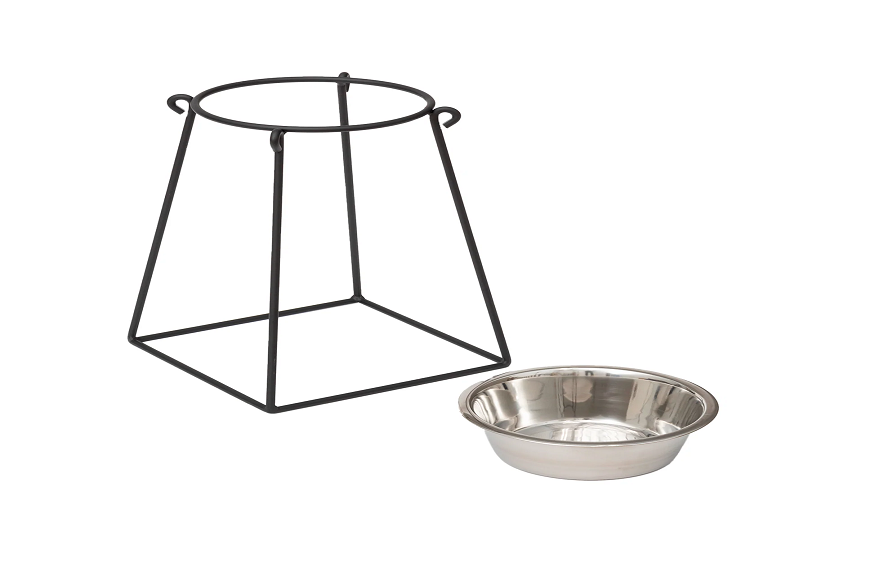
Why Single Elevated Dog Bowls Are Essential for Senior Dogs
134 Views
As dogs age, their bodies require additional support and accommodation. One of the most impactful changes you can make for an older dog is switching to single elevated dog bowls. This simple adjustment addresses multiple age-related challenges while making daily meals more comfortable and dignified for your senior pet.
Aging affects every dog differently, but most experience some degree of joint stiffness, reduced mobility, or digestive changes. Elevated feeding directly addresses these common issues, significantly improving quality of life for older dogs.
Reduces Strain on Aging Joints
Senior dogs commonly develop arthritis and other joint conditions that make movement painful or difficult. Bending down to floor level multiple times a day puts unnecessary stress on hips, knees, shoulders, and the spine.
Elevated bowls bring food and water up to a comfortable height where your senior dog can eat while standing in a natural position. This eliminates the need for painful bending and crouching, transforming mealtime from a potentially uncomfortable necessity into a more pleasant experience. For dogs with arthritis or hip dysplasia, this accommodation can make the difference between eating eagerly and avoiding meals due to discomfort.
Supports Weaker Muscles and Balance Issues
Older dogs often experience muscle loss and balance problems that make floor-level eating challenging. They may struggle to maintain stability while bending down, or find it difficult to rise back up after eating from a low position.
Single elevated dog bowls allow senior dogs to eat while maintaining better balance and stability. They don’t need to lower themselves as far or work as hard to return to a standing position. This preservation of dignity and independence is important for aging dogs who may already be frustrated by other physical limitations.
Easier on Sensitive Digestive Systems
Senior dogs frequently develop more sensitive digestive systems. The position they eat in can significantly affect how well they process food. Elevated feeding promotes better alignment of the esophagus and stomach, supporting smoother digestion and reducing the likelihood of regurgitation or acid reflux.
Proper feeding posture becomes increasingly important as dogs age and their digestive efficiency naturally declines. An elevated bowl helps their body work with gravity rather than against it, making digestion easier on an aging system.
Maintains Quality of Life
The goal of senior dog care is maintaining the best possible quality of life for as long as possible. Single elevated dog bowls contribute to this goal by removing a source of daily discomfort and difficulty.
When eating becomes easier and more comfortable, senior dogs often show renewed interest in meals. They may eat more consistently and maintain better nutrition, both of which are crucial for healthy aging. This simple accommodation demonstrates respect for your aging dog’s changing needs while supporting their physical wellbeing.
FAQs: Single Elevated Dog Bowls for Senior Dogs
- At what age should I switch to elevated bowls?
Many veterinarians recommend elevated bowls for dogs over seven years old, or sooner if you notice signs of joint stiffness or discomfort during meals. - Will this help my dog with arthritis eat better?
Yes. Reducing the pain and effort required to eat often improves appetite and meal consistency in dogs with arthritis. - Can elevated bowls help with regurgitation issues?
They can. The improved posture supports better digestion and reduces the likelihood of food coming back up, especially common in senior dogs. - Is it too late to make this change for an older dog?
It’s never too late. Senior dogs of any age can benefit from the improved comfort and reduced strain that elevated bowls provide. - Will my senior dog adapt to the change easily?
Most senior dogs adapt quickly, especially since the elevated position is more comfortable than floor-level feeding. The immediate relief often makes the transition smooth. - Does this replace other senior care measures?
No, it complements them. Elevated feeding works alongside proper nutrition, appropriate exercise, and veterinary care as part of comprehensive senior dog care.